
Hostel life
The kitchen, the lounge, and the people in them
A hostel is not a hotel with fewer stars. It is a shared kitchen, a room to sit in, and other people doing the same trip.
Shared by design
The common parts are the point
You can sleep cheaply in a lot of places. What you cannot always do is cook your own food, leave your bag while you walk the city, or end up at a table with someone who is going the same way tomorrow.
That is what the shared spaces in our hostels are for. They are plain, they are cleaned every day, and they are open to everyone staying in the building.
The kitchen
Cook, eat, and keep the daily budget down
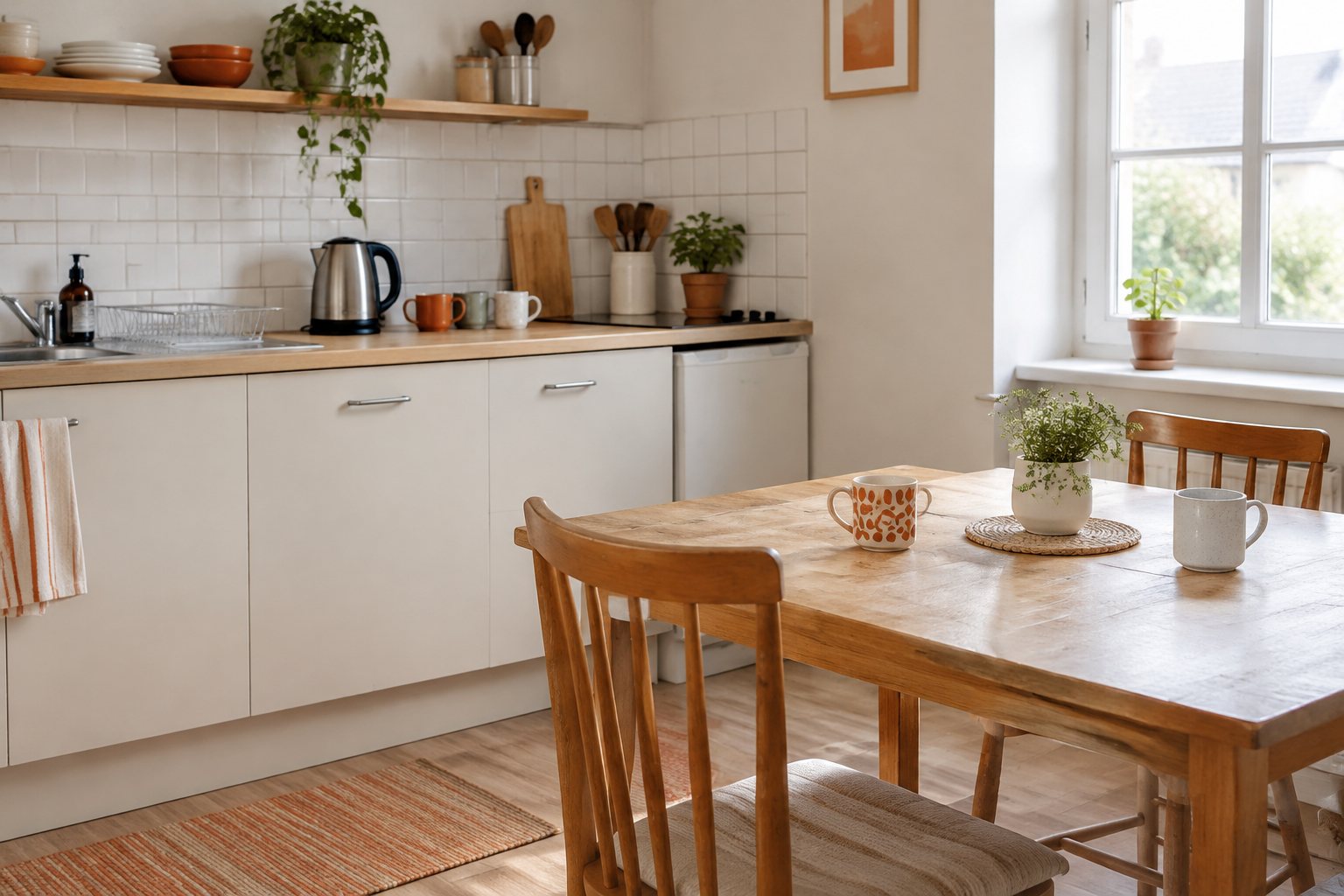
Every hostel has a shared kitchen for guests, and it is the single biggest reason a cheap trip stays cheap. Three meals bought out adds up faster than the bed does.
- Space to cook your own meals
- Somewhere to store the food you buy
- Surfaces and washing-up cleaned after every use
- Shared by everyone in the building, cleaned daily
The lounge
A room to sit in, not a lobby to walk through
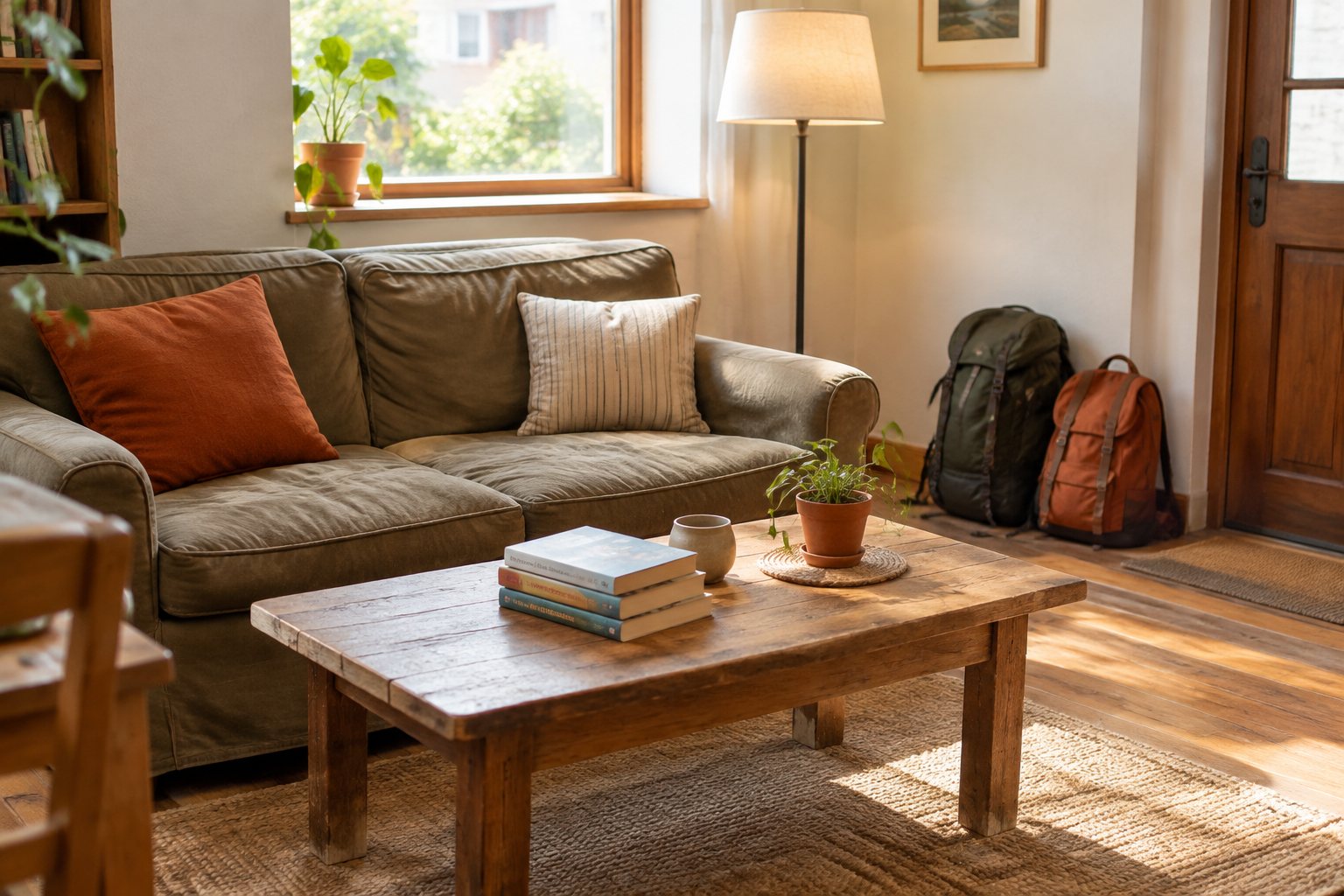
The lounge is where a hostel stops being a corridor of beds. People eat there, spread out a map, charge a phone, and end up talking because there is nowhere else to be.
It is not a bar and there is no programme. It is a room with somewhere to sit, open to whoever is staying that night.
Your bag
Arrive early. Leave late. Walk the city empty-handed.
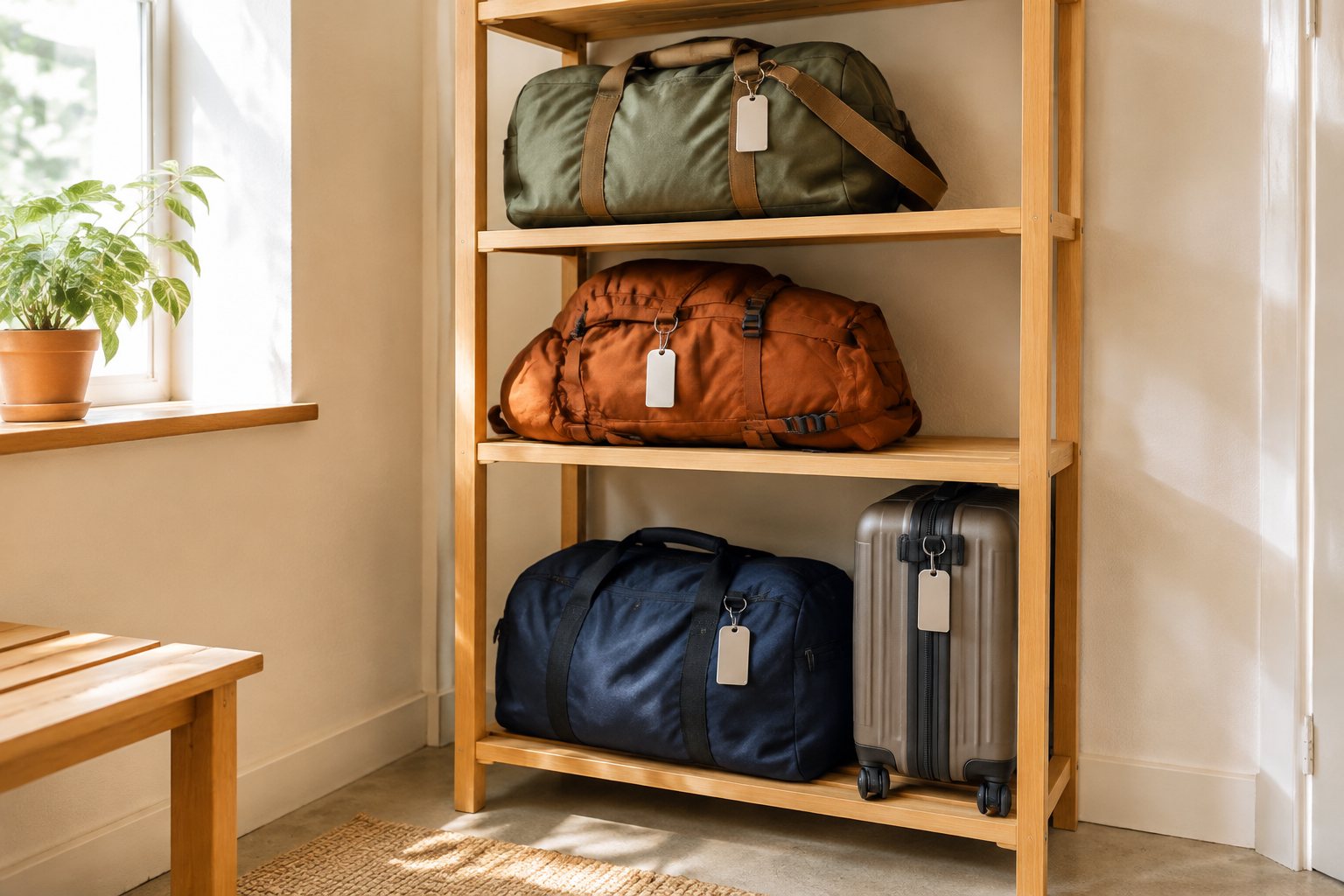
Cheap flights and cheap buses land at awkward times. Luggage storage means you are not tied to a check-in hour: leave the bag, go out, come back when the room is ready.
The same applies on the day you leave — store the bag after check-out and keep the afternoon for the last part of the city.
How it runs
Self-service, on purpose
A small building with a lean team is what makes the rate possible. You do a few things yourself; you pay a lot less for the bed.
Check in simply
A short handover at arrival, then the building is yours.
Cook for yourself
Kitchen and food storage are open to every guest.
Store your own bag
Racks are there for early arrivals and late departures.
Share the common rooms
Kitchen and lounge are shared by everyone staying.
A day in the hostel
How the building actually gets used
The kitchen fills first
Coffee, last night’s bread, bags being repacked on the floor. People leave early and the dorms empty out.
The lounge goes quiet
Everyone is out. Bags sit in storage, the kitchen is clean, and the building is at its calmest.
The kitchen fills again
Dinner gets cooked in relays, food gets shared, and the next day’s route gets argued over at the table.
After dark
The part people remember is not the room
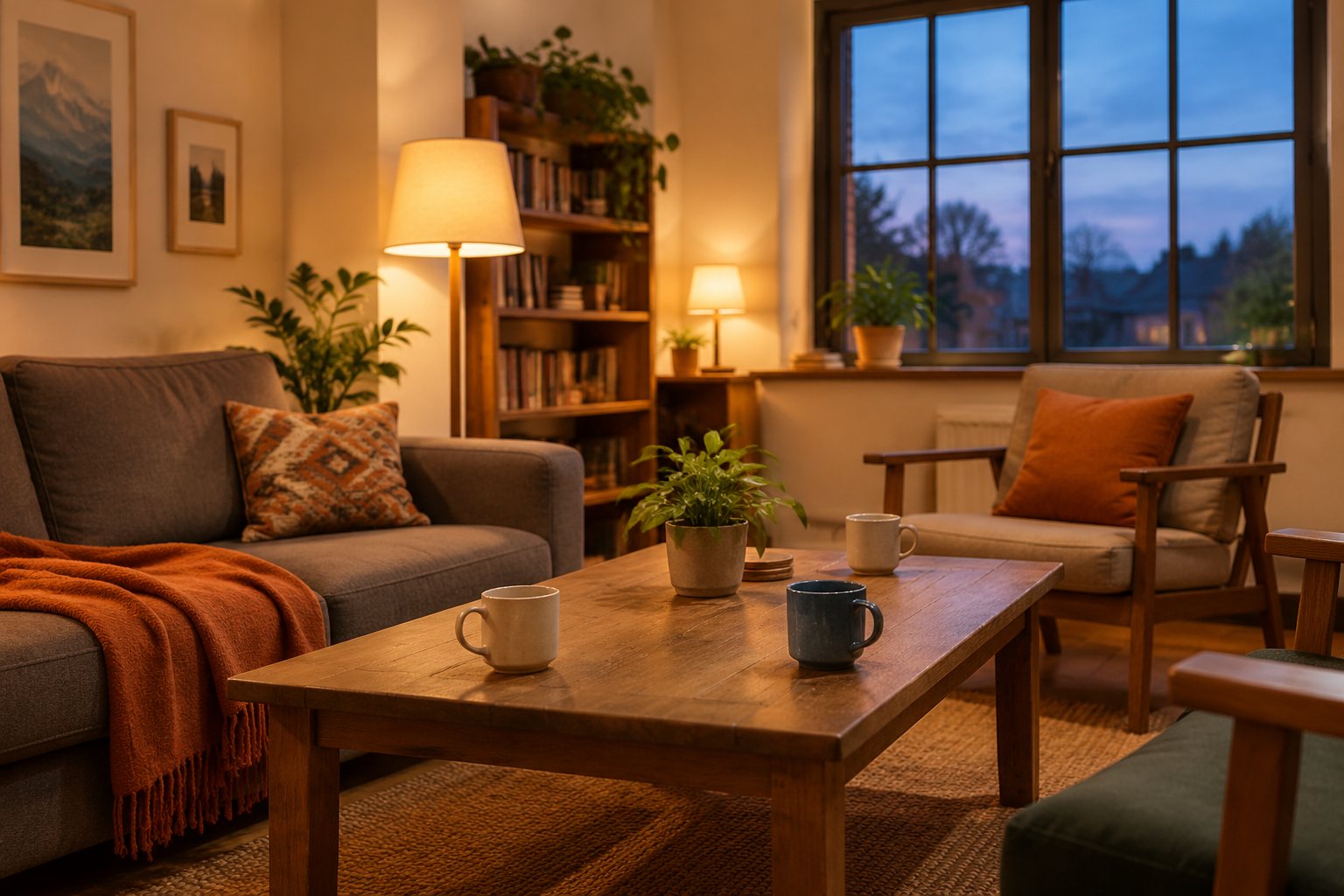
Nobody goes home and talks about the bunk. They talk about the person who told them which station to use, or the meal someone cooked enough of to share.
That is the whole proposition: keep the building small, keep the price honest, and let the shared rooms do the rest.
Next step
Want a bed in one of them?
Send your destination and dates. We reply with what is free and what it costs.